
Category
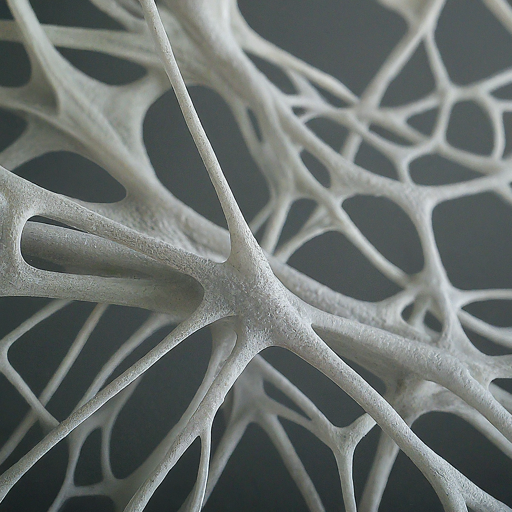
Fascia: The Unsung Hero of Your Body
Fascia: it’s a word often heard in the world of massage therapy, but what exactly is it, and why is it so important? Often referred to as the body’s forgotten tissue, fascia plays a vital role in our health and well-being. Understanding fascia and its connection to deep tissue massage can significantly enhance your appreciation for this powerful therapy.
What is Fascia?
Fascia isn’t just a single structure; it’s a complex web of connective tissue that permeates every nook and cranny of your body. It surrounds muscles, organs, bones, nerves, and blood vessels, providing a continuous support system from head to toe. Think of it as a three-dimensional bodysuit holding everything in its place.
The Different Layers of Fascia
Fascia has several layers, each with a distinct role:
• Superficial fascia: This is the thin layer just beneath the skin, containing fat cells and helping regulate body temperature.
• Deep fascia: This dense layer surrounds and separates muscles, providing structure and support.
• Visceral fascia: This fascia surrounds and supports organs within the body.
How Fascia Impacts Your Health
Healthy fascia is pliable and elastic, allowing for smooth movement and efficient transmission of forces throughout the body. However, fascia can become restricted due to various factors like:
• Injury: Trauma, strains, or surgery can cause fascial adhesions, limiting mobility and flexibility.
• Poor posture: Slouching or prolonged sitting can tighten fascial tissues, leading to pain and discomfort.
• Repetitive strain: Overuse of certain muscle groups can lead to fascial tightness and trigger points.
• Stress: Chronic stress can contribute to fascial tension, impacting posture and movement.
When Fascia Goes Wrong: The Signs and Symptoms
Restricted fascia can manifest in various ways, including:
• Muscle pain and stiffness: Tight fascia can compress nerves and restrict blood flow, leading to pain and limited range of motion.
• Postural imbalances: Fascial restrictions can pull the body out of alignment, affecting posture.
• Reduced flexibility: Tight fascia can make it harder to move freely and comfortably.
• Chronic pain: Restricted fascia can contribute to chronic pain conditions like lower back pain or headaches.
Deep Tissue Massage: Your Ally for Fascial Health
Deep tissue massage is a powerful tool for addressing fascial restrictions. Here’s how it works:
• Increased blood flow: Deep tissue massage techniques like compression and friction strokes increase blood flow to the targeted area, promoting healing and reducing pain.
• Break down adhesions: The pressure applied during deep tissue massage can help break down fascial adhesions, restoring flexibility and range of motion.
• Improved mobility: By releasing fascial restrictions, deep tissue massage can improve your overall mobility and movement patterns.
• Stress reduction: Deep tissue massage can help reduce muscle tension and promote relaxation, indirectly impacting fascial health.
Beyond Pain Relief: The Benefits of Deep Tissue Massage for Fascia
While pain relief is a significant benefit, deep tissue massage offers a range of advantages for fascial health:
• Enhanced athletic performance: Improved fascial mobility can lead to better coordination, power, and flexibility for athletes.
• Injury prevention: By keeping fascia supple, deep tissue massage can help prevent injuries caused by restricted movement.
• Improved posture: Releasing fascial tightness can promote better posture and alignment.
• Stress management: Deep tissue massage can contribute to a more relaxed state of mind, indirectly impacting fascial health.
Fascia and Trauma: What’s the Connection?
Trauma, whether physical or emotional, can have a profound impact on the body’s fascia. When the body experiences a traumatic event, it may go into a state of hyperarousal, causing the fascia to become tense and restricted. This can lead to a variety of symptoms, including pain, stiffness, limited range of motion, and even chronic pain conditions. Deep tissue massage can be a valuable tool for addressing fascial restrictions caused by trauma. By applying targeted pressure to the affected areas, deep tissue massage can help to release the fascia, improve mobility, and reduce pain. Additionally, the relaxation and stress reduction associated with deep tissue massage can help the body to regulate its nervous system and promote healing.
Experience the Fascia Advantage at MFT Release
At MFT Release, our deep tissue massage specialist is trained in techniques specifically designed to target fascial restrictions. We understand the importance of fascia in maintaining optimal health and well-being.
Ready to Experience the Difference?
Contact MFT Release today to schedule your deep tissue massage appointment and embark on a journey toward improved fascial health, greater mobility, and a pain-free you!