We all experience pain. It’s an inevitable part of the human condition, a primal alarm system designed to tell us something is wrong. From a nagging tension headache to a searing sciatic nerve, pain makes its presence known, often uninvited and unwelcome. But what if we started to see pain not just as a fleeting sensation, but as a profound signal, a critical message from our bodies demanding attention?
At MFT Release in Mount Cotton, we believe understanding the true, pervasive impact of pain is the first step towards reclaiming your life. It’s not merely a physical discomfort; it’s a silent saboteur of joy, productivity, and overall well-being. And understanding that, in turn, reveals why prioritizing your body and health isn’t a luxury – it’s an essential investment in the quality of your entire existence.
The Invisible Chains: How Pain Restricts Your Life
Think about the last time you were truly in pain. Did you leap out of bed with enthusiasm? Did you tackle your work with laser focus? Did you laugh wholeheartedly with loved ones? Chances are, the answer is no. Pain, even mild, casts a long shadow over every aspect of our lives:
• Physical Limitations: This is the most obvious. Chronic back pain can make a simple walk unbearable. A stiff neck can turn driving into a nightmare. A tender shoulder can prevent you from playing with your children or pursuing a beloved hobby. Your body, meant to be a vehicle for experience, becomes a cage.
• Mental Fog and Emotional Drain: Pain isn’t just physical; it’s a constant drain on your mental resources. Your brain is constantly processing that discomfort, leaving less room for focus, creativity, and problem-solving. This can lead to irritability, mood swings, anxiety, and even depression. The persistent underlying discomfort can erode your patience, your optimism, and your general sense of peace.
• Impact on Relationships: When you’re in pain, you might withdraw, become less engaged, or snap easily. This can strain relationships with partners, family, and friends. The joy of shared activities diminishes, and communication can become fraught with unspoken tension.
• Reduced Productivity and Career Limitations: Whether at work or home, pain hinders your ability to perform. Deadlines become harder to meet, tasks take longer, and your capacity for concentration dwindles. In some cases, chronic pain can even limit career advancement or force you into a less fulfilling role.
• Sleep Disruption: It’s a vicious cycle. Pain makes it hard to get comfortable, leading to restless nights and poor sleep quality. Lack of sleep, in turn, lowers your pain threshold and makes you less able to cope with existing discomfort.
• Loss of Identity and Self-Worth: Over time, chronic pain can chip away at who you are. If you identify as an active person but can no longer participate in activities you love, it can lead to feelings of frustration, resentment, and a diminished sense of self.
This isn’t just about an ache; it’s about the gradual erosion of your life’s richness. It’s about missing out on moments, opportunities, and connections that define a fulfilling existence.
Why Delaying Action is a Risky Game
Despite pain’s profound impact, many of us develop a surprising tolerance for it. We pop pills, push through, or simply “learn to live with it.” We tell ourselves we’ll get to it when we have more time, more money, or when the pain becomes “unbearable.” But this delay comes at a steep cost.
• Acute Pain Can Become Chronic: What starts as a temporary injury or discomfort can become a persistent, debilitating condition if left unaddressed. The body adapts, sometimes in unhelpful ways, creating complex pain cycles that are harder to break.
• Compensatory Patterns Emerge: To avoid pain, your body will naturally compensate. You might shift your posture, favor one side, or alter your gait. Over time, these compensatory patterns can lead to new aches, imbalances, and even injuries in other parts of your body.
• Increased Medical Costs and Dependency: Ignoring pain often leads to more severe problems down the line, requiring more intensive (and expensive) interventions – stronger medications, multiple specialist visits, or even surgery.
• Lost Time and Opportunities: Every day spent in pain is a day less lived to your fullest potential. You miss out on making memories, pursuing passions, and simply enjoying the simple pleasures of life.
Prioritizing Your Body: The Ultimate Act of Self-Love and Empowerment
Consider your body your most valuable asset, the vehicle through which you experience the world. Investing in its health and well-being isn’t selfish; it’s foundational. When you prioritize your body, you’re not just treating symptoms; you’re cultivating resilience, enhancing vitality, and ensuring you have the physical capacity to live the life you desire.
This means:
• Listening to Your Body’s Signals: Don’t ignore the whispers of discomfort before they become shouts of agony.
• Proactive Care: Don’t wait until you’re broken to seek help. Regular maintenance and preventative measures are key.
• Holistic Approach: Understanding that physical pain is often linked to mental and emotional well-being.
• Committing to Movement and Nourishment: These are the bedrock of physical health.
MFT Release: Your Partner in Pain Relief and Reclaiming Your Life
This is where MFT Release comes in. We understand that pain is complex, often rooted in areas beyond the obvious source of discomfort. Our approach goes deeper than traditional massage, focusing on Myofascial Trigger Point Release.
What is Myofascial Trigger Point Release?
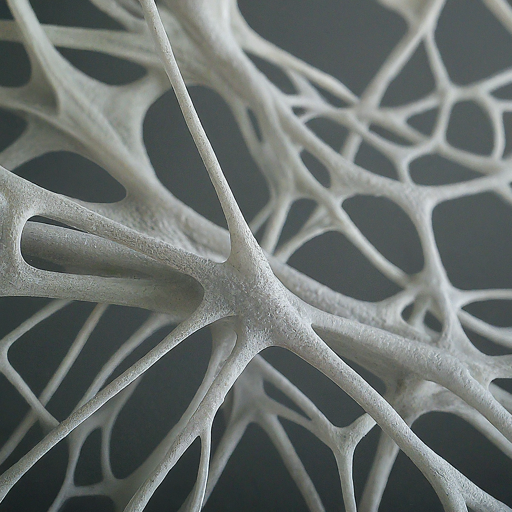
Imagine your muscles and surrounding connective tissue (fascia) as a finely woven, intricate web throughout your entire body. When stress, injury, repetitive movements, or even emotional tension occur, tiny knots or “trigger points” can form within this web. These trigger points are hyper-irritable spots that, when pressed, can cause localized pain, but also often *refer* pain to other, seemingly unrelated areas of the body. That persistent headache might be coming from your neck, or your hip pain could be linked to tightness in your glutes.
MFT Release involves specialized techniques to locate these trigger points and apply sustained pressure to release them. This process helps to:
• Release Muscle Tension and Knots: Directly addressing the source of localized tightness.
• Restore Fascial Mobility: Freeing up the connective tissue allows muscles to move more freely and efficiently.
• Improve Blood Flow: Releasing constricted areas brings vital nutrients and oxygen to the affected tissues.
• Reduce Referred Pain: By addressing the root trigger, the pain felt in distant areas often dissipates.
• Increase Range of Motion: As muscles and fascia release, movement becomes easier and less restricted.
• Reduce Stress and Anxiety: The physical release often leads to a profound sense of relaxation and mental clarity.
• Promote Deeper Sleep: With less physical discomfort, the body can enter deeper, more restorative sleep cycles.
At MFT Release, our experienced practitioner is skilled in identifying these hidden culprits of pain. We don’t just treat symptoms; we work to uncover the underlying causes of your discomfort, guiding your body back towards its natural state of balance and ease. We believe in empowering you with understanding, not just providing temporary relief.
The Time is Now: Invest in Yourself
Choosing to prioritize your body with MFT Release is an investment in your overall well-being. It’s an investment in your ability to work, play, love, and live without the constant burden of pain. It’s about moving from reacting to pain, to proactively cultivating a body that supports your greatest joys and ambitions.
Don’t let pain steal another moment, another opportunity, or another smile. Take action. Listen to your body’s wisdom. Discover the transformative power of MFT Release and start reclaiming the vibrant, full life you deserve. Your body will thank you, and so will your entire life.
Ready to start your journey to lasting relief and vibrant health? Contact MFT Release in Mount Cotton today to book your session.